How to Choose a Trusted Provider for Wisdom Teeth Removal in Oxnard CA
@trevorkwdz312
September 28, 2026 · 15 min read
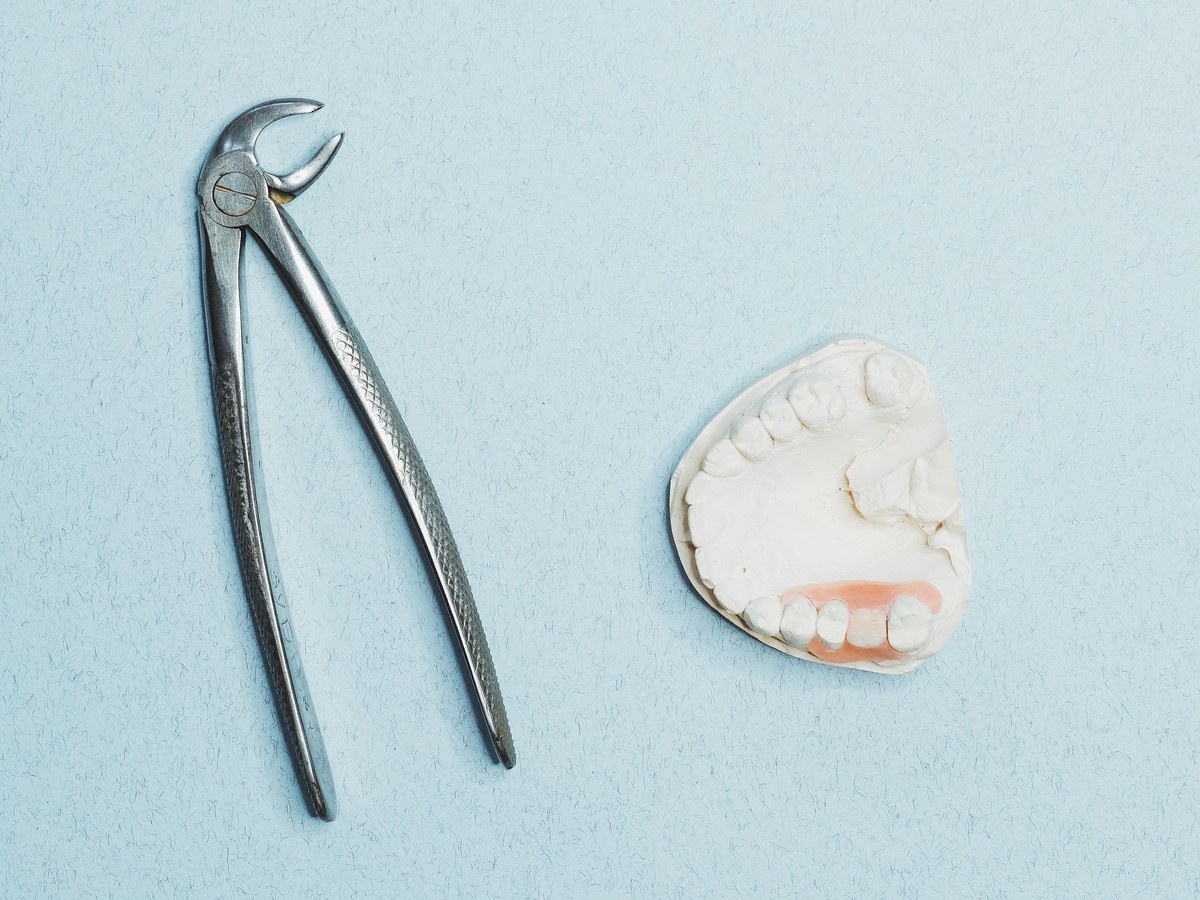
Choosing who will remove your wisdom teeth is not a small decision. Even when the procedure is routine, it still involves surgery, anesthesia or sedation, post-operative pain control, time away from work or school, and a recovery window that can go smoothly or turn stressful fast if the planning is poor. In a place like Oxnard, where patients can choose from general dentists, oral surgeons, larger dental groups, and specialty practices, the real challenge is not finding a provider. It is finding one you would trust when something is not textbook.
That distinction matters more than most people realize. Wisdom teeth do not all behave the same way. One patient has four fully erupted teeth that come out in a standard office visit. Another has a lower wisdom tooth trapped under bone and sitting close to a nerve. Someone else has swelling, recurrent infection, jaw stiffness, and little room to delay. The right provider for one case may not be the right provider for another.
If you are comparing options for Wisdom Teeth Removal Oxnard CA, it helps to look past marketing language and focus on what actually predicts a safe, competent experience: training, case selection, imaging, communication, sedation protocols, aftercare, and how the office handles the details before and after surgery.
Start with the provider’s actual role and training
Many patients assume all dentists remove wisdom teeth with the same level of experience. That is not how practice works. General dentists vary widely in the kinds of extractions they perform. Some are very comfortable removing straightforward erupted wisdom teeth. Others refer nearly all third molar cases to an oral and maxillofacial surgeon. Oral surgeons complete additional hospital-based surgical training after dental school and typically manage a much higher volume of impacted teeth, difficult extractions, IV sedation, and complications.
That does not mean a general dentist is automatically the wrong choice. It means you need to know what kind of case you have. If your wisdom teeth are fully erupted, easy to access, and not near critical anatomy, a skilled general dentist may be a perfectly reasonable option. If the teeth are impacted, partially erupted with a history of infection, angled into the second molar, or close to the inferior alveolar nerve or sinus, more specialized surgical experience becomes more important.
A trustworthy provider should be comfortable saying, “This is simple and appropriate here,” or, just as importantly, “This would be safer with a specialist.” That kind of judgment is a good sign. Overconfidence is not.
The consultation should feel specific, not rehearsed
One of the clearest signals of quality is what happens during the consultation. A good consultation is not a sales pitch for extraction. It is an assessment of your anatomy, symptoms, medical history, timing, and risk profile.
You should expect the provider to review your X-rays carefully and explain what they see in plain language. If your tooth is impacted, they should describe whether it is angled forward, backward, or vertically trapped, whether bone removal is likely, and what that means for swelling and healing. If roots appear close to a nerve canal, that should be discussed directly, not brushed aside. If you have sinus involvement in the upper jaw, they should mention it. If they need a 3D scan to evaluate anatomy more clearly, they should tell you why.
Good communication tends to sound practical. For example, instead of simply saying, “We remove wisdom teeth all the time,” an experienced provider may say something like, “Your upper teeth look straightforward, but the lower left is partially impacted and close enough to the nerve that I want a cone beam scan before we finalize the surgical plan.” That level of specificity reflects real evaluation.
You are not looking for drama. You are looking for precision.
Why imaging quality matters more than people think
A panoramic X-ray is often enough to begin planning, but not always enough to finish it. In more complex cases, especially lower wisdom teeth with root anatomy near the nerve, three-dimensional imaging can change the treatment plan. It may confirm that standard removal is appropriate. It may suggest extra caution. In some situations, it may support referral to a surgeon with a different sedation setup or a stronger comfort level with higher-risk anatomy.
Patients sometimes hesitate when imaging adds cost, but the better question is whether the image changes clinical decision-making. If it does, it can be money well spent. A trusted provider should explain that clearly rather than treating advanced imaging as automatic or optional without context.
In day-to-day practice, the providers who plan thoroughly tend to produce fewer surprises. That does not mean zero risk. It means fewer avoidable ones.
Sedation should be discussed with the same seriousness as the surgery itself
Many people choose a provider based on one phrase: “We offer sedation.” That is understandable, especially if dental anxiety is part of the picture. But sedation is not one-size-fits-all, and the conversation around it tells you a lot about the office.
Some wisdom tooth removals are comfortably handled with local anesthetic alone. Others are done with nitrous oxide, oral sedation, or IV sedation, depending on patient anxiety, surgical complexity, medical history, and provider training. The safest offices take time to match the method to the patient rather than assuming everyone wants to be fully asleep or, on the other extreme, minimizing the procedure to avoid talking about sedation at all.
Ask how the sedation is administered, who monitors you, what pre-operative instructions apply, and what recovery support you will need at home. If IV sedation is offered, ask whether the provider performing it is the same person doing the surgery and how monitoring is handled during the procedure. These are normal questions. A reliable office will answer them without defensiveness.
Patients often focus on getting through the appointment itself, but in real life, the pre-op and post-op details matter just as much. If you are sedated, you need transportation, time off, and a clear understanding of eating, medications, and activity restrictions afterward. A good provider prepares you for that.
The best offices explain risk without trying to scare you
Every wisdom tooth extraction carries some degree of risk. Common short-term issues include swelling, bruising, limited jaw opening, bleeding, and soreness. More significant concerns can include dry socket, infection, delayed healing, sinus communication for upper teeth, and temporary or, less commonly, prolonged numbness when lower teeth are close to a nerve.
A trustworthy provider does not pretend those risks do not exist. They also do not inflate them to pressure you into treatment. They explain what is common, what is uncommon, and what your own imaging suggests. If your case has elevated risk because of age, root formation, impaction depth, smoking, oral contraceptive use, or medical conditions that affect healing, they should connect those facts to your treatment plan.
This kind of conversation can feel technical, but it usually leaves patients calmer, not more anxious. Uncertainty tends to be worse than information. Most people handle surgery better when they know what normal recovery looks like and what warning signs deserve a call.
Pay attention to how the office handles scheduling and urgency
Wisdom teeth can be elective, semi-urgent, or urgent. Some patients are removing asymptomatic teeth during a school break or before orthodontic treatment. Others are dealing with repeated gum infections around a partially erupted wisdom tooth, swelling, a bad taste, difficulty chewing, or pain that flares every few weeks. If there is active infection, limited opening, facial swelling, or severe pain, timing matters.
A strong office knows how to triage. They will not promise immediate surgery in situations that need antibiotics, drainage, or a change in plan first. At the same time, they will not let someone with escalating symptoms sit for weeks without guidance. In my experience, this is where organized practices stand out. They know when to fit someone in, when to stage treatment, and when a hospital setting or specialist referral makes more sense.
Scheduling also tells you whether the office respects recovery realities. If you are a college student heading back to campus in three days, a parent planning around childcare, or a shift worker with a physically demanding job, the provider should help you think through timing honestly. Better to hear “You may need a few extra recovery days for these lower impacted teeth” before surgery than learn it afterward.
Reviews help, but only if you read them correctly
Online reviews can be useful, but they need filtering. A handful of five-star comments that only praise “friendly staff” or “beautiful office” do not tell you much about surgical care. On the other hand, detailed reviews from wisdom tooth patients can reveal patterns: whether instructions were clear, whether pain was managed responsibly, whether the office responded to post-op concerns, and whether billing or insurance created surprises.
You are not looking for perfection. Every established practice will eventually have a frustrated review, sometimes for reasons outside the provider’s control. What matters is the pattern over time. Do patients mention feeling rushed? Do several reviews note poor communication after surgery? Do people describe being quoted one fee and billed another? Or do they consistently mention calm explanations, efficient procedures, and timely follow-up when swelling or questions came up later?
It also helps to separate outcomes from expectations. Some patients write negative reviews because wisdom tooth recovery was uncomfortable, which it often is even when treatment was excellent. The better signal is whether the office prepared them adequately and responded appropriately.
Cost matters, but value matters more
Fees for wisdom tooth removal can vary quite a bit depending on whether the teeth are erupted or impacted, how many are removed, what level of sedation is used, whether imaging is needed, and how insurance applies. That variation is normal. What matters is transparency.
A reputable office should be able to explain the difference between the surgical fee, anesthesia or sedation fee if applicable, imaging costs, pathology if relevant, and any prescriptions or follow-up charges. If you have dental insurance, they should give you a realistic estimate, with the understanding that estimates are not guarantees. If they offer payment plans, those terms should be clear.
Cheapest is not always safest. Highest price is not always highest quality either. The goal is to understand exactly what you are paying for. Patients often regret choosing solely on price when they later find out the lower quote did not include sedation, post-op visits, or the complexity of impacted teeth.
Here are a few practical questions worth asking before you schedule:
- Will my consultation include a review of whether my case is simple or impacted, and who will perform the surgery?
- What kind of imaging do you need before the procedure, and why?
- What sedation options are appropriate for my case and medical history?
- What does the quoted fee include, and what could change that estimate?
- Who do I contact after hours if I have significant bleeding, swelling, or pain?
That short list often reveals more than a polished website ever will.
Watch for signs of careful post-operative planning
The surgical appointment is only part of the experience. The recovery period is where trust gets tested. Reliable providers give specific instructions on bleeding control, swelling management, oral hygiene, diet, medication timing, activity restrictions, and warning signs. They do not hand over generic paperwork and send you out the door with minimal explanation.
The details matter. Patients should know when to start saltwater rinses, how to use gauze correctly, what kind of foods are realistic in the first 24 to 72 hours, and when discomfort is expected to peak. They should also know that severe throbbing pain several days later may suggest dry socket, and that persistent fever, foul drainage, or swelling that worsens instead of improves deserves attention.
One practical marker of a strong surgical practice is how reachable they are after the procedure. If a patient calls with heavy bleeding, increasing facial swelling, or trouble swallowing, the staff should know how to escalate that call appropriately. A provider does not need to be physically present every hour of the day, but there should be a real system.
I have seen patients feel far more confident simply because someone from the office checked on them the next day, confirmed that their symptoms were within the expected range, and reminded them how to manage hydration and medication timing. Small follow-up touches often reflect larger operational discipline.
Not every wisdom tooth needs to come out immediately
This is an area where judgment matters. Some wisdom teeth clearly need removal because they are infected, damaging nearby teeth, causing pain, or unlikely to erupt in a healthy position. Other cases are more nuanced. A symptom-free wisdom tooth in a stable position may still warrant monitoring rather than immediate surgery, depending on access for cleaning, gum health, cavity risk, age, and future changes expected from the anatomy.
A trusted provider should be willing to discuss observation when it is reasonable. That does not mean delaying necessary care. It means matching treatment to evidence and to the patient in front of them.
For younger adults, removal is often easier before roots fully mature and before surrounding bone becomes denser. For older adults, surgery can still be appropriate, but healing can be less forgiving and risks may shift. Medical conditions, medications, and smoking status can influence recommendations as well. Good advice is rarely one-size-fits-all.
If the recommendation feels rushed, ask why now. The answer should be concrete. “Because these two lower teeth are repeatedly trapping bacteria under the gum flap,” or “because the upper tooth is nonfunctional and the opposing lower tooth is over-erupting into the space,” is useful reasoning. Vague urgency is not.
Oxnard-specific convenience should support care, not replace it
Local convenience matters. If you are comparing providers for Wisdom Teeth Removal Oxnard CA, location can affect whether you keep your consultation, whether your ride home is manageable after sedation, and how easy it is to return if you need a post-op check. For many families, especially those balancing work schedules and school pickups, that is not a minor issue.
Still, convenience should serve quality, not override it. A provider ten minutes away is only the better choice if they are https://beckettcyau477.clearminster.com/posts/recovery-tips-after-wisdom-teeth-removal-in-oxnard-ca also appropriate for your case. If your anatomy is complex and a more experienced surgical office is slightly farther, the extra drive may be worth it. The best decision usually balances clinical fit, accessibility, cost clarity, and communication.
This is especially true for teenagers and young adults, who make up a large share of wisdom tooth patients. Parents often focus, understandably, on finding a nearby office with available appointments during a school break. That can work well, but the consultation should still answer the harder questions about complexity, sedation, and recovery, not just scheduling.
A second opinion is reasonable, especially for borderline cases
Patients sometimes worry that seeking a second opinion will offend the first provider. It should not. Wisdom tooth treatment planning can involve legitimate differences in judgment, especially around timing, sedation method, and whether certain borderline teeth are best monitored or removed.
A second opinion is particularly useful if you have been told the case is difficult, the fees vary dramatically between offices, or the explanation you received was vague. It can also help if you have a history of difficult numbing, medical conditions that complicate sedation, or prior bad dental experiences that make trust harder to establish.
When second opinions are helpful, they usually do one of two things. They either confirm the original recommendation and give you peace of mind, or they reveal a meaningful difference in training, approach, or communication that changes where you feel safest receiving care.
A trusted provider usually does these things well
- They explain your anatomy and treatment plan in terms you can understand.
- They match the complexity of the case to their own training and experience.
- They discuss sedation, risks, and recovery without minimizing or dramatizing.
- They give transparent cost information and clear written instructions.
- They have a real system for post-operative questions and urgent concerns.
None of those points is flashy. That is exactly why they matter. Good surgical care is often defined by competence, clarity, and consistency more than by branding.
What confidence should feel like before you book
Most patients are not looking to become experts in oral surgery. They want to know they are in capable hands. The right office usually leaves you with a grounded kind of confidence. You understand what is being removed and why. You know whether your teeth are simple or impacted. You know what kind of anesthesia or sedation is being used. You have a realistic sense of downtime, expected discomfort, and what would count as abnormal afterward. You know what it will cost, at least within a reasonable range. And you know whom to call if recovery does not go as planned.
That is what trust looks like in practical terms.
When you are evaluating options for Wisdom Teeth Removal Oxnard CA, focus less on promises of effortless surgery and more on signs of disciplined care. The provider who takes time to assess thoroughly, explain clearly, and prepare you honestly is often the one most worth choosing.
Oxnard Dentistry
1730 E Gonzales Rd
Oxnard, CA 93036, United States
Phone: +1 805-307-8731
FAQ About Wisdom Teeth Removal Oxnard CA
How much does it cost to get wisdom teeth removed in California?
Fees depend on tooth position, the number of extractions, imaging and anesthesia. Oxnard Dentistry can provide an individual estimate after examining your teeth. Ask for an itemized plan and confirm insurance benefits before scheduling.
Will insurance cover wisdom teeth removal?
Coverage and out-of-pocket costs vary by policy and the treatment required. Ask the dental office and your insurer to verify benefits, annual limits and any authorization requirements. A benefit estimate does not guarantee payment.
Is 30 too old to have wisdom teeth removed?
Age alone does not determine whether extraction is appropriate. A dentist evaluates symptoms, tooth position, oral health and medical history. Healthy, functional wisdom teeth may be monitored; teeth causing disease or other problems may need treatment.